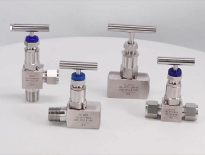

Plug valves are critical devices in many industrial processes, providing effective flow control of liquids, gases, and slurries. Due to ease of design and operation, plug valves are a popular choice with numerous industries. In this blog, we shall explore the different types of plug valves, their uses, and their advantages.
What is a Plug Valve?
A plug valve is a quarter-turn valve that employs a tapered or cylindrical plug to control fluid flow through a pipeline. The plug has a hollow passage that aligns with the flow when the valve is open and closes it off when closed. This mechanism is very simple and allows for quick and consistent flow regulation. The plug valves are applied to deal with a range of fluids, from corrosive chemicals to oil, natural gas, water and steam, depending on the body and plug materials.
Types of Plug Valves
It is important to understand the different kinds of plug valves to pick the right valve for the respective applications. The following are the primary types:
1. Lubricated Plug Valves
These valves have a lubricant such as grease between the plug and body to reduce friction and seal ports. The lubricant is pumped into fittings, which create a film that improves sealing and facilitates movement. The valves are use with mildly abrasive particles and can sustain more pressure and temperatures. Maintenance in the form of replenishing lubricant is necessary to perform optimally.
2. Non-Lubricated Plug Valves
Non-lubricated plug valves feature a polymeric sleeve or an elastomeric liner between the body and plug to reduce friction without lubrication. This cuts down the maintenance needs and is well suited to use in environments where lubricant contamination must be prevented. But they might not be the best for high-pressure or high-temperature conditions.
3. Eccentric Plug Valves
These valves have a special plug that is not aligned straight. This design helps them work better, which lowers friction and wear on the parts that touch each other. The unique action assists in forming a tighter seal which is beneficial for applications where you require to block the flow, particularly in systems handling slurries or fluids containing solid particles.
4. Plugging Plug Valves
Increasing plug valves have an arrangement to open up the plug against the body seats during working conditions, delivering a secure, zero-leakage seal.This is especially well-suited in applications where isolation and positive sealing are essential as in pipelines carrying dangerous material.
5. Multi-Port Plug Valves
These valves have more than one port (three-way or four-way) and are utilized to divert or merge flow paths. They are utilized most frequently in change of flow direction or fluid mixing applications giving process control flexibility.
Uses of Plug Valves
Plug valves are used in many industries because of their flexibility and effective flow control features. Some of the typical uses are:
- Oil and Gas Industry: Utilized in pipelines and processing facilities to control the flow of crude, natural gas, and refined products.
- Chemical Processing: Utilized to treat corrosive and toxic chemicals owing to their dependable sealing and material compatibility.
- Water and Wastewater Treatment: Utilized in controlling the flow of water, sewage and sludge taking advantage of their capability to treat slurries and solids.
- Power Generation: Employed in cooling and steam systems to regulate the flow efficiently.
- Pharmaceutical Industry: Facilitates contaminant-free control of the flow in procedures needing high standards of purity.
Advantages of Plug Valves
Plug valves are used extensively in many industries because of their durability, efficiency and capacity to work with various types of media. The following is a comprehensive elaboration of their primary strengths:
1. Simple Design
Plug valves have a simple design that includes a cylindrical or tapered plug rotating inside the valve body to handle fluid flow. That simplicity leads to:
- Ease of use – The low number of moving components lowers the level of complexity.
- Less maintenance demands – Fewer parts mean lower wear and tear, minimizing downtime and maintenance expenditures.
- Reliability – With fewer failure points, plug valves are highly dependable in critical operations.
2. Rapid Operation
The quarter-turn mechanism (90-degree turn) provides for quick opening and closing, which is important for:
- Emergency shut-offs – Prevents accidents, leaks, or system breakdowns in unsafe conditions.
- Process efficiency – Decreases delays in operations and enhances work flow within automated systems.
- Low actuation force – Plug valves require lower torque to open than multi-turn valves and can be operated easily manually or with actuators.
3. Tight Sealing
Plug valves are known for their good sealing abilities because of:
- Metal-to-metal or soft-seal choices – Ensures a good shut-off, even in high-pressure systems.
- Non-lubricated or lubricated designs – A lubricated plug valve improves sealing performance and lowers wear.
- Bubble-tight shut-off – Stops any fluid from leaking out. This makes them perfect for dangerous and very clean uses.
4. Versatility
Plug valves can handle a broad spectrum of fluids, making them suitable for diverse industrial applications:
- Corrosive and non-corrosive media – Compatible with water, oil, gas, slurries, and even aggressive chemicals.
- Suspended solids – Best used for slurries, sewage, or abrasive items, since clogging is precluded by the plug mechanism.
- Distinct ranges of pressure and temperature – Exist in different material options like stainless steel, cast iron and PTFE-lined models in order to work under harsh environments.
5. Bidirectional Flow
Unlike many other valve types, plug valves support bidirectional flow meaning they:
- Provide flexible mounting – May be installed in either direction, reducing piping design complexity.
- Minimize the requirement for extra valves – A single valve can accommodate various flow demands maximizing system efficiency.
- Reduce space requirements – Their small size makes them suitable for fitting into narrow spaces without sacrificing performance.
6. Minimal Pressure Drop
The straight-through flow path of plug valves provides:
- Low turbulence and energy loss – The streamlined design reduces fluid resistance, lowering system energy usage.
- Enhanced flow efficiency – Particularly applicable for high-flow-rate use, e.g., pipelines and industrial processing.
- Less wear and erosion – Reducing pressure fluctuations and turbulence extends the valve’s service life.
Selection Criteria for Plug Valves
Choosing the appropriate plug valve involves considering several factors:
- Fluid Characteristics: Identify the type of fluid (e.g., corrosive, abrasive, viscous) to select suitable materials and valve type.
- Pressure and Temperature: Ensure the valve can withstand the system’s operating conditions.
- Maintenance Requirements: Determine the acceptable level of maintenance; lubricated valves may require more upkeep than non-lubricated ones.
- Flow Control Needs: Assess whether the application requires simple on/off control or flow diversion, which may necessitate multi-port valves.
- Installation Space: Consider the available space, as some plug valves may have a larger footprint than others.
Conclusion
Plug valves are important components in various industrial sectors, offering reliable and efficient flow control solutions. It is important to understand the various types of plug valves, application and benefits while choosing the suitable valve for certain application requirements. Based on criteria like fluid behavior, operating parameters, and maintenance requirements, industries can make choices that guarantee their flow control equipment’s maximum efficiency and durability.