
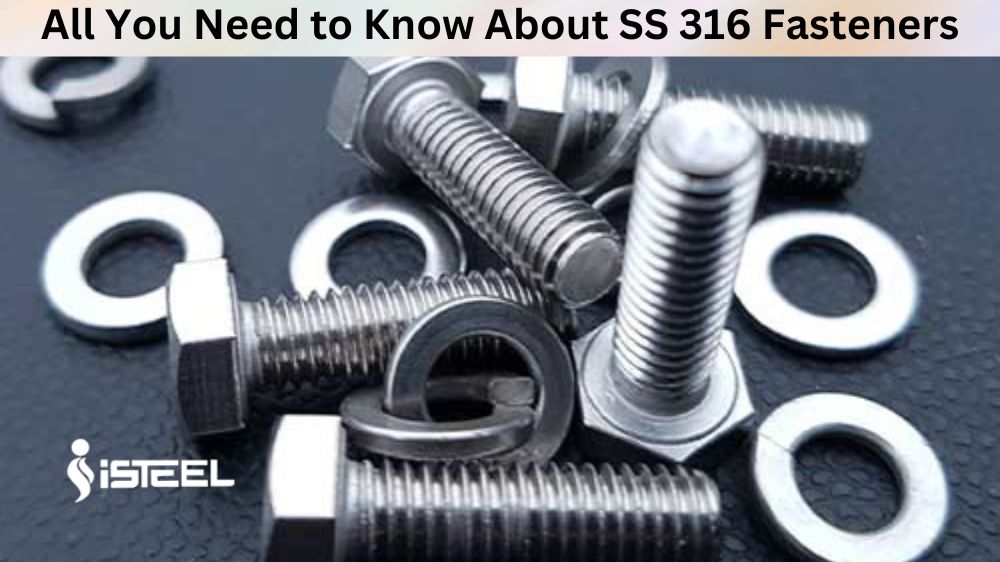
Are you looking for a reliable fastener material especially resistant to corrosion and harsh temperatures? If so, SS 316 fasteners may be just your needs. With its exceptional strength and rust-resistant properties, SS 316 stainless steel remains one of the most popular choices for construction materials. In this blog post, we’ll go over all the details about this versatile form of steel and why it’s such an excellent option for any project. So keep reading to learn how these strong yet lightweight fasteners can help you do the job right!
Characteristics of SS 316 Fasteners:
Stainless steel 316 fasteners (commonly known as a marine grade) are highly corrosion-resistant and durable. The main characteristics of SS316 fasteners include their ability to cover a wide range of applications from industrial hardware to architectural structures, high thermal conductivity for efficient heat transfer, and very low liquid absorption rate, which makes them ideal for submerging in water or areas with high humidity. It has superior tensile and yield strength making it perfect for heavy load-bearing applications. Additionally, SS316 is strong against acids and alkalis at normal and elevated temperatures while being virtually immune to harsh environmental conditions like saltwater mist, moisture, dampness, etc. Its anti-oxidation properties also make it an ideal material choice for outdoor fixtures or equipment exposed to extreme weather conditions such as wind gusts or heavy rain. All these features make stainless steel 316 one of the most widely used metals that can be trusted for long-term performance in any environment.
Applications of SS 316 Fasteners:
SS 316 Fasteners are widely used in various applications due to their excellent corrosion resistance, durability, and superior performance. They are highly resistant to non-oxidizing acids like phosphoric and sulfuric acid and offer good pitting/crevice corrosion resistance. Common applications include roofing materials and sheet metal fastening components such as screws, bolts & nuts in marine and other industries exposed to severely corrosive environments. Additionally, they can be used for exhaust systems components where strength at high temperatures is necessary or found in certain medical tools because of their nonmagnetic properties, which make them more hygienic than other metals. SS 316 fasteners provide the perfect solution for any application needing top-notch strength & outstanding corrosion protection.
Maintenance of SS 316 Fasteners:
Although SS 316 fasteners are highly resistant to corrosion, they still require proper maintenance to ensure their longevity and performance. First, it is essential to avoid exposure to corrosive agents, such as salt water, acids, and chlorine, as much as possible. Second, it is crucial to clean the fasteners regularly with mild detergent and water and dry them with a clean cloth or air dryer. Third, it is recommended to lubricate the fasteners with a thin layer of oil or grease to prevent galling and seizing during assembly.
Advantages and Disadvantages of SS 316 Fasteners:
SS 316 fasteners are some of the most widely used and versatile industrial fasteners. They offer superior corrosion resistance, excellent strength-to-weight ratio, and a wide range of temperatures they can withstand. Additionally, they can be machined for various applications and often feature properties like nonmagnetic qualities, low electrical conductivity, and good formability, making them ideal for many industries, including aerospace, medical equipment fabrication, food production, petrochemical processing plants, etc. SS 316 fasteners offer higher tensile strength than other stainless steel types and improved creep resistance, making them great for high-pressure applications such as turbine blades or other highly stressed components.
Tips for Choosing and Using SS 316 Fasteners:
To select the right SS 316 fasteners for your project, you must consider several factors, such as the type of application, environmental conditions, load and stress requirements, and compatibility with other materials. You should also pay attention to the quality and certification of the fasteners, as well as their size, thread pitch, and tolerance. When using SS 316 fasteners, you should follow the recommended torque values, use proper tools and techniques, and avoid over-tightening or under-tightening the fasteners. You should also inspect the fasteners regularly for signs of corrosion, wear, or damage and replace them as needed.
Conclusion:
SS 316 fasteners offer high corrosion resistance, strength, and durability for a wide range of applications. Understanding the characteristics, applications, and maintenance of SS 316 fasteners is essential to ensure the success of your projects and the safety of your personnel and assets. Following the tips and guidelines in this blog post, you can make informed decisions when choosing and using SS 316 fasteners and ensure their optimal performance and longevity.

